Quick answer
The base jump includes all safety equipment, a pre-jump briefing with your licensed instructor, and freefall from altitudes between 10,000 and 15,000 feet. Prices vary by season and booking method, with online bookings often securing lower rates than walk-ins.
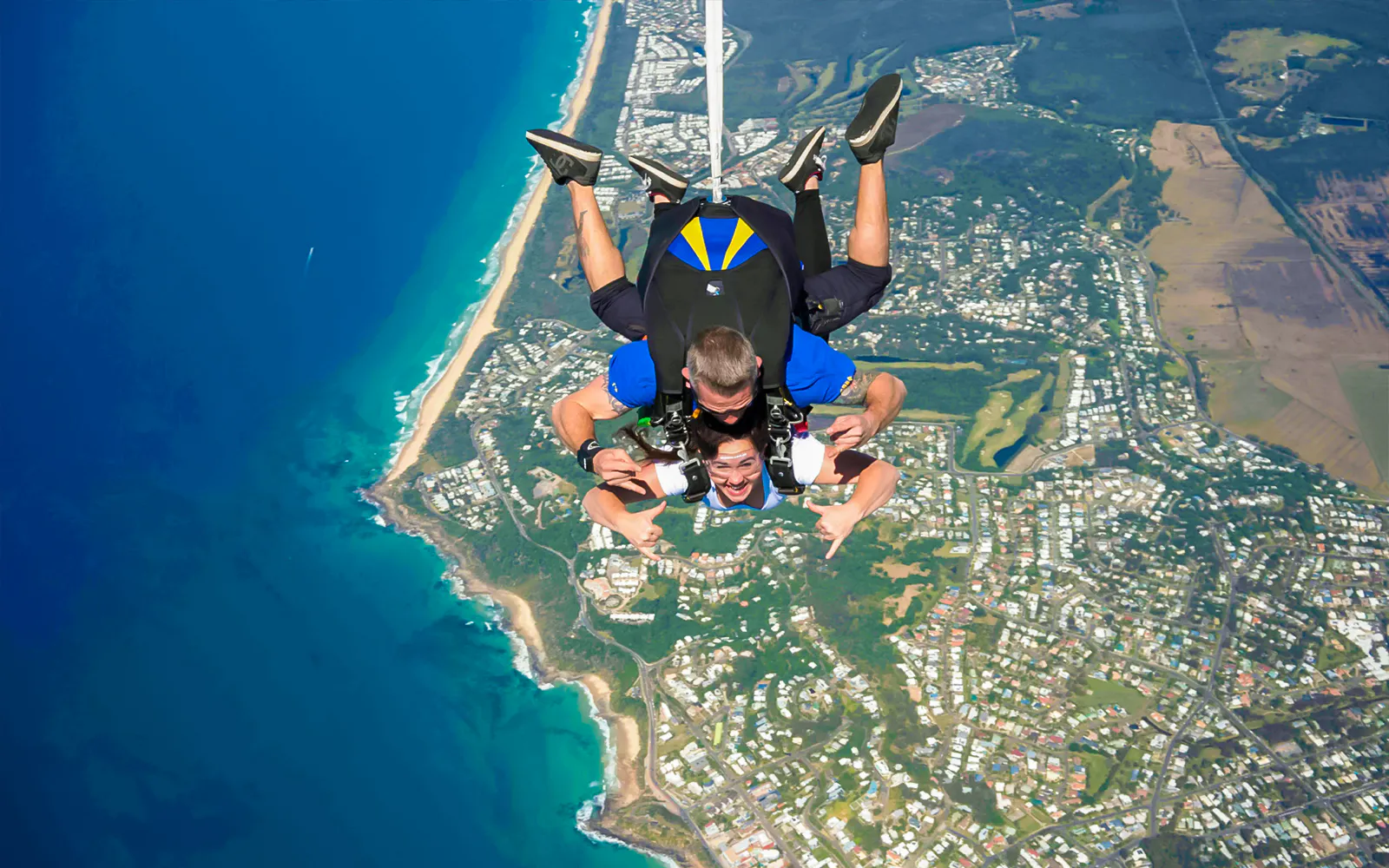
A tandem skydive is not a single-item purchase—it's a layered experience built from altitude selection, documentation options, and the logistical realities of operating a dropzone. Most first-time jumpers underestimate how much the freefall altitude changes both the cost and the experience, with every additional thousand feet adding seconds of freefall and a corresponding price increment. The cost structure reflects the operational demands of skydiving. Your base fee covers aircraft fuel, parachute maintenance, instructor certification, and liability insurance. Higher-altitude jumps require more fuel and longer climb times, which explains the tiered sky diving pricing model used at most dropzones. At Toogoolawah, jumps operate from 10,000 feet up to 15,000 feet, with the higher altitude delivering nearly 60 seconds of freefall compared to 30 seconds at the lower tier. Video packages involve a dedicated camera operator who exits the aircraft with you and tracks your descent, which is why they represent a significant add-on cost rather than a minor upsell. What many visitors don't realize until they arrive is that weather delays are common and non-refundable fees may apply to rescheduling. Morning jumps between 8:00 and 12:00 offer the most stable conditions, reducing the likelihood of wind-related cancellations that can derail tight travel schedules. The dropzone operates seven days a week from 8:00 AM to 5:00 PM, but the booking window tightens on weekends when demand peaks. Walk-in availability exists but is never guaranteed, particularly during Queensland's winter months when interstate visitors increase. Budgeting for a tandem jump means accounting for the base jump fee, any video or photo documentation, and transport to the Toogoolawah dropzone located 90 minutes northwest of Brisbane. Most operators require a deposit at booking with the balance due on the day of your jump. Group bookings occasionally unlock discounted rates, but single jumpers pay the standard published rate. The facility itself is free to enter, and spectators can watch landings without charge, though only participants access the aircraft and briefing areas.
“Higher-altitude jumps require more fuel and longer climb times, which explains the tiered pricing model used at most dropzones.”
Understanding Sky Diving Pricing at Ramblers
Admission to the dropzone facility is free of charge for all visitors. Costs related to skydiving activities are managed exclusively through individual booking selections rather than standard public gate fees.
There is no admission fee, and specific skydiving costs are determined by the jump options selected during the booking process.
Best Time for Sky Diving Pricing and Scheduling
The best arrival window for skydiving is 08:00–12:00. Arriving during these hours helps minimize potential wind-related delays and ensures optimal weather conditions for your jump.
Weekday mornings
Minimal crowds—
Lower demand allows for a smoother check-in process.
Summer months
High volumeWarm conditions with occasional storms
Book early to avoid midday heat and unstable afternoon winds.
Autumn and Spring
Moderate volumeStable air and mild temperatures
These seasons often provide the most consistent weather patterns for jumping.
Weekend mornings
Higher volume—
Popular slots fill quickly, so arrive during the early window to secure your spot.
Verdict: The optimal time to schedule your arrival is between 08:00–12:00 during the stable months of April or October.
Check availability
Frequently asked questions about sky diving pricing
Everything you need to know about sky diving pricing